


The Way Out

is a project aimed at raising awareness about domestic violence. Through music and lyrics, our goal is to make those in dysfunctional relationships feel less alone and perhaps find their way out.

Logo

Happening in
The Way Out

2026
260529: Music that breaks silence at Folkets Park in Malmö
260308: International Women's Day, Stadshallen in Lund 12-14 pm, free entrence
260124: Songwriterfestivalen in Lund, free entrence

Event Archive

The project background

The background of this project stems from our own experiences with domestic violence. Recognizing the need to assist others in vulnerable situations, we - Stina Willquist, author and songwriter, and Danne Falck, songwriter, and producer - decided to use our talents to contribute to a world of compassion and the solidarity.

The objectives of the project are:
-Create music to make individuals in or having experienced dysfunctional
relationships feel less isolated.
-Provide knowledge about domestic violence and foster a sense of community
through various events.
-Establish a platform where people can share their experiences.

More information about domestic violence:
Nationellt centrum för kvinnofrid
Kvinnojouren i Lund
Lunds kommun

Partners:
Fotograf Johan Lilja
Storprint Löddeköpinge
Glasshörnan Löddeköpinge
Infinite Yoga Malmö
Willys Stortorget Lund
Grand Hotel Lund
Stadshallen Lund
AViDO Löddeköpinge
The Tap Public House Malmö
Kvinnojouren Malmö
Erik Thoren, Norbert Elliot, Marina Walker

Sponsors:
Crefuity AB
NA Förlag     Björklunds

Stories
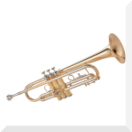
  • Trumpet

    Listen to "Are We Bleeding"

    A violent relationship often follow the same phases. This song portrays how psychological violence is the most common form of abuse in a violent relationship. It can start with occasional comments and then escalate into increasingly severe verbal insults, manipulation, lies, and threats — or complete silence and being totally ignored. Psychological abuse can make the victim begin to doubt themselves, and the perpetrator’s explanations and views gradually become part of the victim’s own. The victim starts to believe in the perpetrator’s version of reality — this process is called internalization.

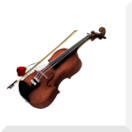
  • Violin

    Listen to "Vägen Ut"

    A violent relationship often follows the same phases. This song portrays how it might look in the phase of breaking free. Leaving an abusive relationship is difficult. Fear can have a strong grip, making it challenging to break away. Staying may feel safer, as the victim perceives some level of control over the perpetrator. It may also stem from knowing that the violence could escalate upon leaving, or feeling like there are no other options. Suicidal thoughts are common in these situations.

  • Trumpet

    Listen to "Älska Dig Själv"

    A violent relationship often follows the same phases. This song portrays how it might look in phase of processing. It's painful to acknowledge oneself as abused, the partner as the perpetrator, and to understand that the relationship has involved violence and criminal acts. Only when this is brought to light can it be processed. The final phase in breaking free is necessary to overcome the shame that the victim may feel towards the perpetrator, themselves, and others.

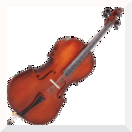
  • Cello

    Listen to "Change"

    A violent relationship often follows the same phases. This song portrays how it might look in the phase of breaking free. In a destructive relationship, many do not see themselves as abused because the violence has been normalized. A phase in the process of breaking free involves understanding and articulating what has occurred.

  • Violin

    Listen to "Falseness"

    A violent relationship often follows the same phases. This song portrays how it might look in the beginning of a relationship. For most individuals subjected to domestic violence, it begins with love and a typical romantic relationship. The violence creeps in, often disguised as jealousy and control. The restrictions on the victim's space and freedom then occur gradually, making it difficult for the victim to fully grasp what is happening. The victim becomes insecure. This phenomenon is commonly referred to as the normalization of violence.

  • Violin

    Listen to "Forget About You"

    A violent relationship often follows the same phases. This song portrays how it might look in phase of ambivalence. The person affected shifts between good and bad moments. A significant factor is that the abuser alternates between violence and expressions of care and love, making it extremely difficult to end the relationship.

  • Cello

    Listen to "This Anyone"

    A violent relationship often follow the same phases. This song portrays how how difficult it can be when, as a neighbor, friend, or relative, you suspect that someone is living in an abusive relationship. What you can do is have the courage to ask how the person is doing.

Social media - an anonymous voice

It was a late August evening in 20?? when I logged into Facebook just to find out I had a new friend request. I guess I was an easy target. I was very fragile at the time. I was burned out, overwhelmed and broken. My marriage of 20 years was over. I was the one who ended it. I had to. It had been over between us for a long time, but we had both been too scared to take the leap. Now when it was over I longed for affirmation and acknowledgement. I was in desperate need to be seen and heard.
Read more

The Way Out - Stinas story

A friend and I traveled to Tenerife, and what began as weeks of sunshine, beach, parties, and new friends ended in bruises and a desire to die. This is my story, the tale behind the song "Vägen Ut".
Read more

An anonymous womans story

This is a story about my life in Skåne during the 80's. The story is a chapter in a book I have written, but not yet published. The book is called The Special Teacher.
Read more

Living under protected identity

It’s very hard to walk out of an abusive relationship. If you succeed, it’s often conflicted with even more violence. Being subjected to violence and threats might make you eligible for a protected identity, with a confidentiality marking. Living under protected identity keeps the perpetrator at a distance, but it will most likely make you a prisoner of your own life. If there are children involved, they suffer the most. The following story is fictional, based upon several interviews with families living under protected identity.
Read more

Filips story

She noticed things about me, paid attention to me like no one had before. She remembered details that made me happy. With subtle, small changes, the details turned into control that escalated into both mental and physical abuse. (This movie is in Swedish).
Watch movie

Charlottes story

My name is Charlotte Strååt, and this story is a part of my life, the way I lived it, the way I experienced it. If you want to know more, to read more, you will find more details in my book which will soon be published. I also give lectures where I talk about my journey as a co-addict of an addicted and abusive person.
Read more